
Afterpay: Pay over time
AfterpayShopping
3.971.33K Reviews
- Version
- 1.148.0
- Installs
- 10.00M
- Age Rating
- Mature 17+
Screenshots

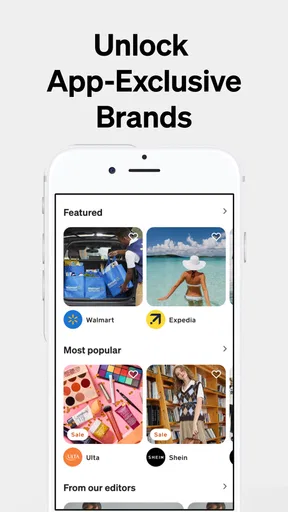
Our Review of Afterpay: Pay over time
 Analysis by Appyee
I see Afterpay as a useful shopping app when I want to spread the cost of a planned purchase, but I do not treat it as extra money. That distinction is the key to using it well. The app, developed by Afterpay, puts a pay-over-time service inside a shopping-focused experience, making it easier to browse participating retailers, choose an item, and manage scheduled payments from one place.
My overall view is positive but cautious. The convenience is real, especially for a purchase that already fits my budget and simply needs a different payment rhythm. The risk is just as real: splitting a payment can make an expensive basket feel smaller than it actually is. I would recommend it to an organized shopper who checks the full total before buying. I would skip it if the only reason to use it is that the purchase feels unaffordable today.
How Afterpay feels in everyday shopping
Afterpay is a free shopping app with a mature audience rating of 17 and over. It has become a familiar name in the buy-now-pay-later space, with more than 10 million installs, about a 4.0 average rating, and roughly 170 thousand ratings. Those figures suggest a service that many people use regularly, while also reminding me that popularity does not remove the need to read the payment details carefully.
The basic appeal is straightforward: instead of paying the entire purchase amount immediately, I can select Afterpay where it is available and follow a payment schedule. The app is most useful when it helps me plan a purchase rather than justify an impulse. I find that difference more important than the polished browsing experience or the convenience of having shopping and payment management together.
In a normal shopping session, I would start by looking for a retailer or product inside the app, compare the item with alternatives, and then review the payment arrangement before confirming anything. That last step matters. The first amount shown can be psychologically persuasive, but the full order total is still the number that belongs in my budget. I would also check whether shipping, taxes, returns, and any other checkout details change what I will ultimately owe.
The app is not a discount service in the usual sense. It does not make an item cheaper simply because the cost is divided. It changes the timing of payments. That makes it different from using a debit card, where the money leaves the account at once, and different from saving first, where the purchase happens only after the full amount is available. It is closer to a short-term payment tool attached to shopping.
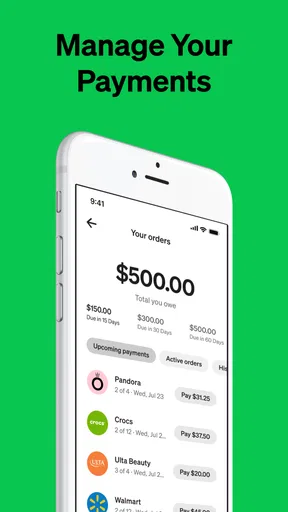
One of the strongest parts of the experience is the way it can make an upcoming payment easier to remember than a scattered set of receipts and emails. When I use a service like this responsibly, I want one clear place to review what I have bought and what is still scheduled. That overview is practical for someone managing several planned purchases, although it should not replace checking the bank account itself.
The strongest reason to use it
The best use case is a predictable purchase with a known total. Imagine I need a replacement appliance or a seasonal clothing order, and I already know that the money will be available over the payment period. Rather than moving the entire amount out of my account on one day, I can divide the expense and keep the rest of my budget available for ordinary bills. In that situation, the app can improve cash-flow control without changing what I intend to buy.
I also see value for shoppers who prefer to keep purchase records in one place. A dedicated payment view can be more useful than searching through a banking app for individual transactions, especially when I want to remember which order a scheduled payment belongs to. This is a small workflow improvement, but it becomes meaningful when shopping activity increases around holidays, travel, or a move.
Another practical advantage is the pause it can create before checkout. Because I have to review the payment arrangement, I get a chance to ask whether the item is necessary, whether the full total is reasonable, and whether another retailer offers a better deal. That pause is not guaranteed, of course, but I can turn the app into a budgeting checkpoint instead of using it as a shortcut around one.
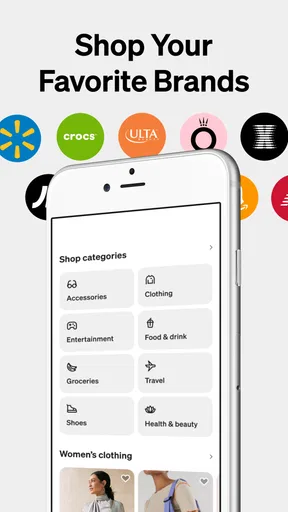
For people who shop across participating retailers, having the service connected to a shopping app can also reduce friction. I do not have to begin with a separate financial product and then search for somewhere to spend it. The shopping context comes first, which feels natural for planned purchases. Still, convenience should not be confused with comparison. I would always compare the same item elsewhere before deciding that the payment schedule makes the offer worthwhile.
Where the experience needs discipline
The central weakness is behavioral rather than technical: the smaller scheduled amount can hide the scale of several purchases combined. One split order may look manageable, but multiple orders can create overlapping payment dates. I would therefore review all active purchases before placing another one, rather than judging each new order in isolation. This is the most important habit for avoiding a budget surprise.
I would also avoid using Afterpay for necessities when I am already short of money. A payment plan can smooth timing, but it does not solve an income problem. If rent, utilities, food, or existing debt are competing for the same funds, adding another commitment is likely to make the situation harder. In that case, waiting, buying a less expensive option, or using a conventional savings plan would be the safer choice.
Returns deserve particular attention. A returned item does not necessarily mean that every part of the payment process disappears instantly. The retailer still has to process the return, and the payment schedule may need to update afterward. I would keep the order confirmation, follow the retailer’s return steps, and continue checking the payment screen until the adjustment is visible. This is a sensible precaution with any pay-over-time purchase, but it is easy to forget when the original order felt simple.
I would take the same care with partial returns and exchanges. Returning one item from a larger order can leave a different balance from the one I expected, particularly if shipping or other order-level costs are involved. Before sending anything back, I would note the original total and the items being returned. That record makes it easier to spot an incorrect adjustment and explain the issue to the retailer or payment provider.
Another limitation is that the app cannot tell me whether a purchase is wise for my personal circumstances. It can display a schedule, but it cannot know about an upcoming car repair, a temporary reduction in income, or another bill that has not arrived yet. I still need a separate budget. I would treat the app as a payment-management layer, not as a complete financial-planning tool.
Small habits that make a big difference
My first recommendation is to budget the full purchase total before focusing on the installment amount. I would write down the total, reserve the money mentally or in a separate budget category, and then decide whether the schedule is genuinely helpful. This prevents the app’s most attractive feature from becoming the only figure I consider.
Second, I would use a simple personal limit for active orders. The app may help me see scheduled payments, but a separate note or budget category can show the combined commitment more clearly. I would record the retailer, total, next payment date, and remaining balance. That takes little time and is especially useful when orders arrive close together.
Third, I would review the payment screen after every meaningful change: a cancellation, return, exchange, or replacement order. I would not assume that a retailer’s confirmation email and the payment schedule update at exactly the same moment. Checking both sides of the transaction is a practical way to catch confusion early.
Fourth, I would use the shopping features for research, not just checkout. If I find an item through the app, I would compare its full price, delivery terms, and return conditions with the usual alternatives. A divided payment can be convenient, but a slightly better-priced product paid normally may still be the better deal. The right comparison is total cost and overall suitability, not the size of the first installment.
Finally, I would make sure the app remains current. The installed version is 1.142.0, and it supports devices running Android 7.0 or later. Keeping the app updated is sensible for a payment service because checkout and account-management behavior can depend on the current version. I would also use a device I trust and avoid making purchases while distracted or rushed.
Who will get the most from it
Afterpay is a good fit for a shopper with steady income, a clear spending plan, and a specific purchase in mind. It can be particularly helpful when the timing of a payment matters more than the total amount, such as replacing something essential just before payday while already knowing how the expense will be covered. The service works best when the purchase is planned, the schedule is understood, and there is room in the budget for every commitment.
It may also suit someone who wants a single place to track shopping-related payments rather than relying only on bank statements. The app’s shopping orientation makes sense for people who already browse participating stores digitally and want payment options visible during that process. I would still encourage those users to keep their own records, because financial clarity should not depend on one app alone.
I would be more hesitant to recommend it to someone who frequently loses track of subscriptions, bills, or card balances. If remembering future payments is already difficult, adding another schedule can create unnecessary pressure. The same applies to anyone who tends to buy more when a product is presented as a smaller recurring amount. For that person, paying in full after saving may provide a healthier boundary.
I would also point students, irregular earners, and people rebuilding a budget toward caution. The service may appear flexible, but flexibility has limits when income changes from week to week. A purchase that works during a good month may become uncomfortable during a slow one. In those circumstances, a prepaid budget, a lower-cost alternative, or simply waiting is often more appropriate.
How it compares with ordinary alternatives
Compared with a debit card, Afterpay offers more control over the timing of the money leaving the account, but a debit card is simpler and makes the cost immediately visible. If I already have enough saved and want the cleanest transaction, paying in full is usually my preference. There is no future schedule to monitor, and returns are easier to understand from a personal budgeting perspective.
Compared with a credit card, the appeal is that the purchase is presented through a defined payment arrangement rather than becoming part of a revolving balance. However, the better option depends on the terms, protections, rewards, and repayment habits involved. Someone who pays a credit card balance in full and values its protections may prefer that route. Someone who wants a clearly scheduled purchase may find Afterpay easier to follow.
Compared with saving first, Afterpay is faster but less forgiving. Saving delays the purchase, yet it removes the obligation to make future payments. I would choose saving whenever the item is optional or the timing is flexible. I would consider Afterpay when the purchase is necessary, the total is already affordable, and spreading the payments solves a genuine cash-flow issue rather than creating one.
The app is also different from a traditional personal-loan process. It is designed around shopping and individual purchases, so it feels more immediate and transaction-focused. That can be convenient, but it also means I need to resist treating every attractive item as a reason to open another payment commitment. A broader budgeting tool may be better for someone whose main need is financial planning rather than checkout flexibility.
What the ratings and maturity suggest
The app has around 71 thousand written reviews and a mature 17-plus content rating. I read that combination as a reminder that this is a financial service for adults, not a casual shopping game. The roughly 4.0 average is respectable, though not a reason to assume every user will have the same experience. Payment apps are judged heavily by individual circumstances, retailer interactions, account questions, and how clearly users understand their schedules.
Its release date of August 5, 2018, also places it among established shopping-payment apps rather than a brand-new experiment. That history can be reassuring when I want a familiar service, but longevity does not eliminate the need to inspect each order. Retailer availability, checkout details, and personal eligibility can affect what I see in practice, so I would make decisions based on the actual transaction screen rather than on general expectations.
The free download is convenient, but “free” should describe access to the app, not the affordability of every purchase made through it. I would keep that distinction visible whenever I review the service with someone else. The real financial question is always whether the full order fits the budget and whether the payment schedule remains comfortable after other obligations are counted.
My final recommendation
After using the app as a shopping and payment-management tool, I think its strongest quality is practical flexibility. It can turn one large payment into a schedule that is easier to organize, and it gives planned shoppers a convenient way to browse and manage eligible purchases. The experience makes the most sense when I already know what I want, have checked the full cost, and can comfortably meet every scheduled payment.
My reservation is equally clear: the app can make spending feel lighter without making it smaller. That is why I would not recommend opening it simply to see what I can buy. I would use it after setting a budget, comparing the total price with ordinary alternatives, and checking whether any existing payment schedules overlap.
For a disciplined shopper, Afterpay is a useful addition to the shopping category and a reasonable alternative to paying everything at once. For someone trying to escape an already tight budget, it is the wrong tool. My verdict is useful for planned purchases, risky for impulse spending. If you can explain how the entire purchase will be paid for before you place the order, the app may fit your routine. If you can only explain how you will cover the next installment, I would wait.
Privacy and Permissions
See what permissions an app requests and how it handles your data.
- Location
- approximate location (network-based), precise location (GPS and network-based)
- Photos/Media/Files
- read the contents of your USB storage, modify or delete the contents of your USB storage
- Storage
- read the contents of your USB storage, modify or delete the contents of your USB storage
- Camera
- take pictures and videos
- Microphone
- record audio
- Wi-Fi connection information
- view Wi-Fi connections
- Other
- view network connections, pair with Bluetooth devices, access Bluetooth settings, change network connectivity, full network access, change your audio settings, control Near Field Communication, run at startup, draw over other apps, control vibration, prevent device from sleeping
Verdict
Strengths of Afterpay: Pay over time
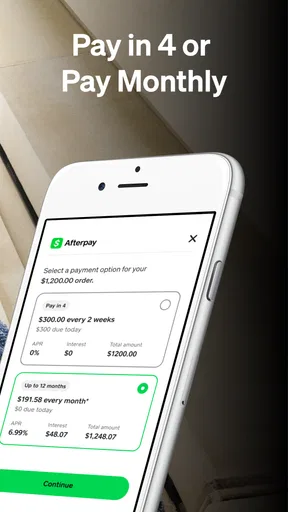
- Split purchases into four interest-free payments.
- Clear repayment schedule helps manage upcoming installments.
- Available at many popular online and physical retailers.
- Quick checkout can make eligible purchases more convenient.
- Payment reminders help reduce the chance of missed installments.
Limitations of Afterpay: Pay over time
- Late fees may apply if an installment is missed.
- Not every purchase or user qualifies for Pay in 4.
- Frequent use can encourage spending beyond your budget.
- Some longer-term plans may include interest or finance charges.
- Refunds can take time to appear in your payment schedule.
Similar Picks in This Category
View All
SHEIN-Shopping Online
Roadget Business PTE. LTD.4.8

Amazon Shopping
Amazon Mobile LLC4.4


Mercado Libre: Compras online
Mercado Libre4.8

Wish: Shop and Save
Wish US Holdings LLC4.7

Alibaba.com - B2B marketplace
Alibaba Mobile4.4
Frequently Asked Questions
What is Afterpay: Pay over time?
Afterpay is a buy now, pay later service that lets eligible users split the cost of purchases into several scheduled installments. It can be used with participating online and in-store retailers through the Afterpay app. I found the app useful for browsing supported stores, checking available spending information, managing orders, and viewing upcoming payments in one place.
How do Afterpay payments and installments work?
Afterpay generally divides an eligible purchase into four installments paid over a short period, although payment terms may vary by region, product, retailer, or account. The first payment is commonly due at checkout, with the remaining installments automatically charged according to the displayed schedule. Before confirming an order, review the total cost, dates, and any applicable fees.
Does Afterpay charge interest or late fees?
Afterpay commonly advertises interest-free installment plans when payments are made on time, but the exact conditions depend on your country, account type, and the purchase arrangement. Late payment fees or other charges may apply if an installment is missed, while some longer-term or special financing options can have different costs. Always read the payment details shown in the app.
Who can use Afterpay, and what requirements are needed?
Afterpay availability and eligibility depend on your location and local regulations. Users generally need to meet minimum age requirements, provide personal and payment information, use a supported card or bank method, and pass Afterpay’s automated approval checks. Approval is not guaranteed for every purchase, and spending limits can change based on account history, payment behavior, and other factors.
Is Afterpay safe to use, and what should I consider before downloading it?
Afterpay uses account security and payment protections designed to help users manage purchases through the app, but no financial service is completely risk-free. Protect your login, enable available security features, and monitor transactions regularly. Before using it, consider whether installment payments fit your budget, since missed payments can lead to fees, restricted access, or financial stress.
